



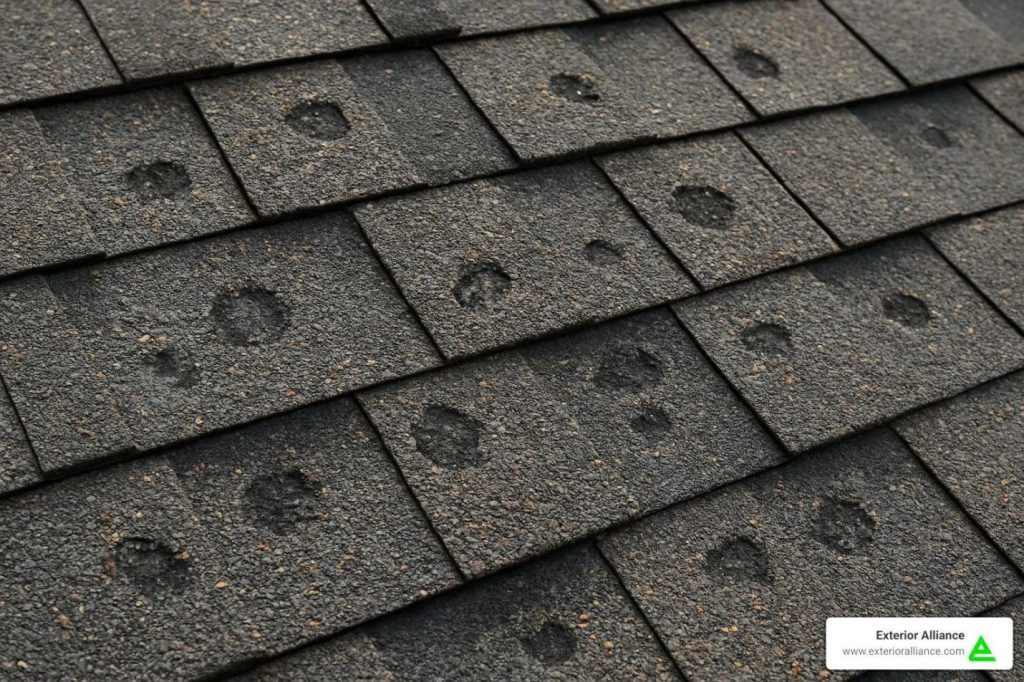
Hailstorms often come with little to no warning; therefore, many homeowners are left with damaged roofs and unexpected costs associated with repairs. After a storm, the most common question that homeowners want answered is, “On average, how much will my insurance pay if my roof experiences damage due to hail?” By understanding how standard insurance policies determine the payout amount, you can be ready to prepare for and file your claim properly, as well as be confident that your insurance will pay you the maximum claim amount due from the hail damage.
This blog contains detailed information about average payouts for hailstorm-related claims by insurance companies, how insurance coverage works for hail damage, what factors may influence claim payouts, and how to maximize your insurance claim settlement amount. We will also provide immediate action steps that should occur right after a storm hits and causes roof damage.
Average Payout by Insurance Company for a Damaged Roof Caused by Hail
Typically, an insurance company pays between $10,000 and $30,000 on averageto repair hail-related damage to a homeowner’s roof.Minor hailstorm repairs may only cost a few thousand dollars, while complete replacement of a large or complicated home will likely go over $40,000.
The amount your insurance company pays you for your roof damage is based on different factors, including:
● The condition and age of your existing roof system
● What kind of material was used to construct the roof?
● How severe the hail damage was
● The type of homeowner’s insurance policy you purchased (ACV or RCV)
● Any applicable deductible (the amount of money paid by the insured prior to filing a claim)
● The cost of roofing materials and labor in your geographic area
Every roofing project is unique. Therefore, the amount paid by your insurance provider could be very different than another homeowner’s home. Understanding the average ranges of payouts can assist you in developing realistic expectations when considering filing an insurance claim.
How Hail Damage Affects Your Home
Homeowners often do not realize that just because a roof looks fine from below, the roof could still have significant amounts of damage from hail. Small hail can cause long-term problems, and the earlier the hail damage is found, the less severe it will become.Hailstorms most commonly affect roofing systems and gutters. Even when damage is not immediately visible from the ground, hail impact can compromise roofing materials in the following ways:
- Chipped, Cracked, or Shattered Tiles: The impact of hail often creates fractures similar to broken pottery.
- Tiles that have Shifted, Slid, or Fallen Off: High winds and hail impact can dislodge them completely.
- Exposed Underlayment or Decking: Missing or damaged tiles may reveal the protective layers underneath, increasing the risk of leaks.
While clay and concrete tiles are popular in certain regions, hailstorms can leave them severely compromised, requiring prompt inspection and repairs.
Factors Influencing Your Insurance Payment
The average insurance payout falls within a typical set of values; however, many different variables impact the amount that you will ultimately receive from your insurer.
1. Age and Condition of Roof
Insurance companies will evaluate the age of your roof. Newer roofs usually qualify for greater payouts due to the greater residual value associated with a newer roof. Conversely, an older roof, particularly if it is nearing the end of its useful life, will likely qualify for less payment because depreciation has dramatically lowered that amount.
There are many types of roofing materials, and the cost associated with replacing them varies based on the type of material used. For example:
Asphalt shingles are typically the least expensive roofing material available; therefore, the payout for asphalt shingles would generally be lower than other roofing materials.
● Metal roofs generally last longer than asphalt shingles, but they are also more expensive to replace than asphalt shingles.
● Roofing materials that are made from tile or slate could cost an arm and a leg to repair or replace.
The payout will be determined by the invoice amount for replacing the roofing material you originally used.
There are instances when the damage done by hail is not extensive enough to necessitate the complete replacement of the roof; rather, only a portion of the roof has been damaged. In these instances, an insurance adjuster will consider whether the roof requires:
● Minor repairs
● Partial replacements
● Full replacement
Typically, if there is a great deal of bruising or loss of granules from shingles, then the insurance company usually approves a full roof replacement, which increases the payout amount to you.
2. Pricing on Local Markets
The expense of labor and materials differs depending on geographic location. Roofing contractors may charge more in regions prone to hailstorms because of the increased demand for their services. This will impact your insurance estimates and any final amounts paid to you.
How Hail Damage Insurance Claims Work
Understanding how a claim is made gives you an advantage during the insurance process. Hail damage insurance claims are processed by an insurer using a pre-established claim process. If you understand the steps to take, you can minimize delays and underpayments.
Inspect Your Roof After the Storm.
If you do not already have a professional roofing inspector, you still need to have an inspection for hail damage on your roof even if the storm did not seem severe. Hail damage roofing contractors with training in the area of hail assessments know where to look for subtle signs that many homeowners miss.
Document Everything
It is essential that you take adequate photos and video documentation of all damage, including:
● Shingle damage
● Gutter damage (any dents)
● Venting damage (any cracks)
● Any damage from falling debris
● Any water damage inside the house
Your case will be strengthened through documentation, and that documentation will also contribute to an accurate assessment of your claim when reviewed by the insurance company.
To file your insurance claim, you should first contact your insurance provider. You’ll need to notify them of the date and time the storm occurred, what types of damage you have found, and how the inspection was performed by the roofing contractor that you hired. Once your insurance provider has received all of this information, they will assign an adjuster to assess the damage to your property.
It is very important to have your roofing contractor present for the adjuster’s visit. By having the contractor present, they can identify any damage that may not be visible to the adjuster, thus increasing your chances of receiving a fair and equitable settlement from your insurance company.
Once your insurance agent visits your property to assess any damages, you should have received your estimate with all repair and replacement coverage listed. Next, compare your contractor’s estimate with your insurance adjuster’s estimate for accuracy.
If the insurance adjuster’s estimate appears to be insufficient, ask your insurance agent to re-evaluate it or submit any records you may have to support your claim for additional damages.
You’ve come to the right place. Follow these steps and maximize your chances of obtaining the highest possible settlement.
1) Get Competitive Estimates.
Don’t just take the first contractor’s word. Get two or three estimates before selecting a contractor to accurately determine repair/replacement costs.
2) Use an Experienced Hail-Damage Contractor
A reliable contractor who specializes in repairing hail-damaged roofs will know how insurance companies operate and will be able to give you the best chance of obtaining a fair payout.
3) Do Not Wait To File Your Claim
Insurance companies have strict deadlines for claims submission; therefore, any delay in filing your claim could result in a complete denial or lower payout of your claim.
4) Maintain Extensive Documentation
Keep on file all inspection documents, receipts, photographs before & after damage occurred, and correspondence with your insurance company. When a claim dispute arises, you will have documentation that supports your claim.
5) Know About Your Insurance Policy
Know whether your policy is ACV (actual cash value) or RCV (replacement cost value). Currently, if you own an ACV policy, consider purchasing an RCV policy in order to provide yourself with additional protection against future hailstorms.
When to File a Claim Right Away:
You should file a claim if you see any of these items:
● Metal Surfaces with Dents
● Granules Missing
● Shingles Cracked, Loose, or Lifted
● Leaking Interior
● Soft Spots in Shingles
● Flashings and Vents Damaged
You should never ignore hail damage, even minor. Small things can lead to big problems, so putting off repairs will only make it more likely that an insurance company will deny your claim.
If you have a roof damaged by hail, knowing what insurance pays for hail damage will provide you with clarity, power, and confidence. You will be able to maximize your payout by acting quickly, properly documenting damage, and working with qualified roofing professionals.
While hailstorms occur without warning, your roof shouldn’t be a victim of them. You can greatly increase the compensation you receive for hail-damaged roofs by knowing your coverage and being proactive by following the correct steps to recover compensation for your roof.

